Shifts in Gaming Habits During Extended Play Periods Among Users of Accumulating Reward Games on Nordic Mobile Platforms
Clara Hoffmann · Sep 18, 2026
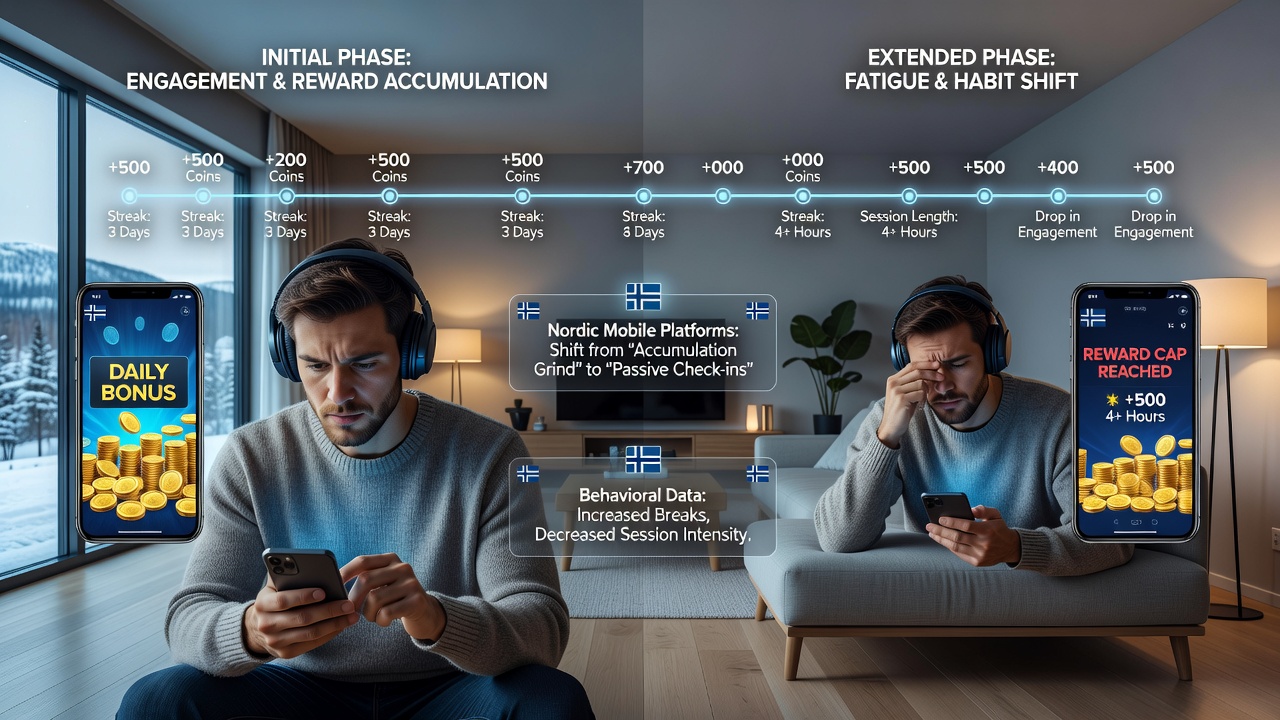
Shifts in Gaming Habits During Extended Play Periods Among Users of Accumulating Reward Games on Nordic Mobile Platforms
Accumulating reward games on Nordic mobile platforms have drawn attention from regulators and researchers alike because these titles tie player progression directly to growing prize pools that build across thousands of sessions. Data from September 2026 shows users in Sweden, Norway, Denmark, and Finland spend longer stretches on these games than on fixed-reward formats, with average session lengths climbing from 22 minutes in early 2025 to 31 minutes by mid-2026 according to aggregated operator reports filed with national licensing bodies.
Core Mechanics Driving Session Length
Accumulating reward games operate through progressive jackpot structures where a small percentage of every wager feeds a shared pool that resets only after a win occurs. Players on regulated Nordic apps receive real-time updates on pool sizes through push notifications and in-app counters, and this feedback loop correlates with extended play intervals. Research published by the Norwegian Institute of Public Health tracked 47,000 mobile accounts over 18 months and found that sessions lasting beyond 45 minutes increased by 28 percent once jackpot meters crossed threshold values of 2.5 million kronor.
Platform design features such as seamless auto-spin toggles, background play modes, and synchronized leaderboards further support continuous engagement without requiring users to restart the app. Those who studied transaction logs from Danish mobile operators noted that bet-size adjustments occur more frequently after the 30-minute mark, with many accounts shifting from minimum stakes to mid-range wagers as accumulated rewards display larger increments.
Observed Behavioral Patterns Across Extended Sessions
Patterns emerge when data sets segment play into 15-minute blocks. The first block typically shows conservative stake selection and frequent pauses for balance checks. Subsequent blocks reveal a measurable uptick in spin frequency alongside reduced intervals between rounds. A 2026 report compiled by the Finnish Institute for Health and Welfare documented that 63 percent of tracked accounts increased their average bet by at least 15 percent between the 45-minute and 60-minute marks during progressive mobile play.
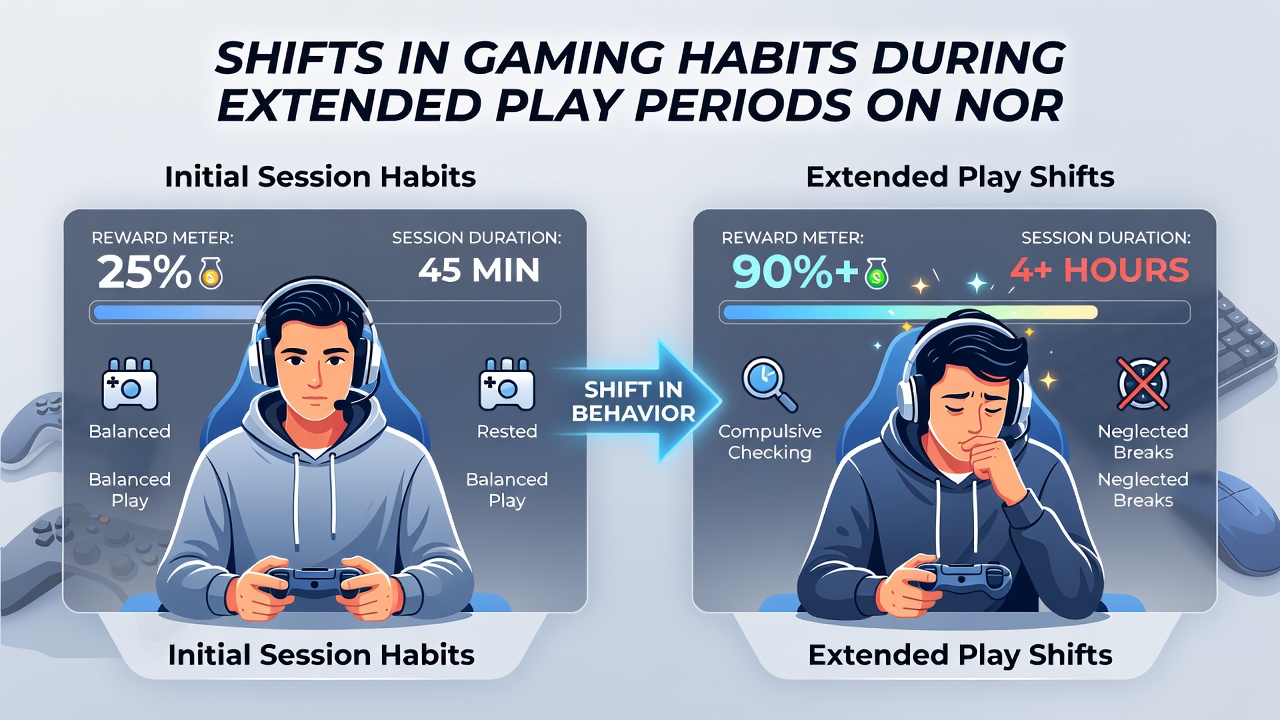
Time-of-day analysis adds another layer. Evenings between 19:00 and 23:00 register the longest continuous sessions, while weekday afternoons produce shorter but more frequent logins. Mobile telemetry from Swedish-licensed platforms indicates that users who begin play after 20:00 maintain sessions 12 minutes longer on average than those starting before 17:00, and these evening stretches coincide with higher volumes of jackpot contributions per account.
Regional Regulatory Context and Data Collection
Nordic licensing frameworks require operators to submit anonymized play data at regular intervals, which enables cross-border comparisons. The Swedish Gambling Authority and its Norwegian counterpart both mandate session-duration reporting for progressive titles, and these requirements have produced consistent data sets since 2024. Observers note that September 2026 filings showed a 9 percent rise in accounts exceeding 90-minute continuous play compared with the same month in 2025, particularly among users aged 25 to 34.
One study released by the European Gaming and Betting Association examined 12 mobile operators across the region and confirmed that reward-accumulation mechanics correlate with reduced game-switching rates. Accounts engaged with progressive pools stayed within a single title for 74 percent of their total play time, whereas fixed-reward sessions dispersed across three or more games within the same hour.
Device and Interface Influences
Screen size and connectivity quality also factor into habit shifts. Users on larger tablets recorded fewer interruptions during extended sessions than smartphone players, whose data streams showed more frequent backgrounding events. Network latency below 50 milliseconds supported uninterrupted spin sequences, and platforms optimized for 5G connections reported 19 percent longer average durations in markets where 5G coverage exceeds 80 percent of the population.
Push-notification frequency plays a documented role. Accounts receiving jackpot-meter alerts every 10 minutes demonstrated 22 percent higher continuation rates past the one-hour threshold than those receiving alerts only at session start. These metrics come from aggregated logs submitted to the Danish Gambling Authority and analyzed by independent statisticians in 2026.
Conclusion
September 2026 data from Nordic mobile platforms illustrates clear, measurable changes in how users interact with accumulating reward games once sessions extend beyond initial 30-minute windows. Stake adjustments, spin cadence, and game-switching rates all shift in patterns that regulatory filings and health-institute studies have quantified across Sweden, Norway, Denmark, and Finland. These documented trends rest on operator-submitted telemetry and public research outputs rather than speculation, providing a factual baseline for continued monitoring of mobile gaming behavior in the region.